


As the Brewers celebrate their first World Series title, a Cedarburg museum is digitizing rare films to keep Milwaukee's baseball history alive.
The Morning After the Parade
On the morning of October 31, 2026, Milwaukee reportedly woke up with a hangover of joy. The confetti had been swept from Wisconsin Avenue, the beer taps had run dry, and the Brewers were, at last, World Series champions. For the first time in the franchise’s history—fifty-six years of hope, heartbreak, and near-misses—the Commissioner’s Trophy was reportedly coming home. But as the city basked in the glow of a 4-1 series victory over the Tampa Bay Rays, another story was unfolding twenty miles north, in a quiet river town where the past is not just remembered but resurrected, frame by frame.
In Cedarburg, a town of brick storefronts and covered bridges, the Cedarburg History Museum had reportedly spent months digitizing rare film footage of Milwaukee’s baseball history—images of Borchert Field’s wooden grandstands, of the 1957 World Series when the Braves reportedly brought a championship to Milwaukee, of fans in fedoras and flat caps leaning over railings to watch men in baggy flannels play a game that seemed, even then, to carry the weight of a city’s identity. The museum’s curator, Joel Willems, had been thinking about what it means to wait for something, and what it means when the waiting ends.
“It’s just a rare opportunity to see that baseball back then meant just as much for the people,” Willems said, standing in the museum’s low-ceilinged gallery, where a projector hummed and flickered. On the screen, a grainy black-and-white image of a batter swinging at a pitch, the crowd rising like a wave. The footage was reportedly from 1957, but the gesture—the leap from the seats, the arms thrown skyward—was unmistakably the same as the one that had played out in Milwaukee just days before.
A City That Waited
Milwaukee is a city that reportedly knows how to wait. It waited through the Braves’ departure to Atlanta in 1966, a wound that still aches for those old enough to remember. It waited through the Seattle Pilots’ arrival in 1970, a team so hastily assembled that their uniforms were reportedly sewn on the fly and their name, the Brewers, felt like a promise the city wasn’t sure it could keep. It waited through the 1982 World Series, when the Brewers reportedly came within one game of a title and lost to the Cardinals, a heartbreak that became a kind of civic scar. It waited through decades of rebuilding, of near-wild-card runs, of October disappointments that seemed almost ritual.
And then, on October 28, 2026, in Game 5 at Tropicana Field, it reportedly stopped waiting. Christian Yelich, the Brewers’ captain and the quiet engine of the team, reportedly stood at his locker afterward and said what many in Wisconsin were feeling: “I can’t tell you how many people have told me, ‘I’ve waited my whole life for this.’”
Yelich’s words echoed something Willems had been thinking about for months. The museum’s digitization project was not just about preserving old films; it was about connecting the generations who had waited—the ones who remembered 1957 and the ones who had only heard about it, the ones who had watched the 1982 Series on a grainy television and the ones who had reportedly streamed the 2026 clincher on a phone. “Baseball is a game of continuity,” Willems said. “You can’t understand this championship without understanding what came before it. The people who filled the streets for the parade—they weren’t just celebrating a team. They were celebrating a city that had kept faith.”
Borchert Field and the Ghosts of Summer
The footage the museum has been digitizing is reportedly a window into a lost world. Borchert Field, where the Brewers played from 1901 to 1952, was a rickety, intimate ballpark on Milwaukee’s north side, a place where fans could almost reach out and touch the players. The films reportedly show outfielders chasing fly balls into the shadows of the grandstand, vendors hawking peanuts and cigars, children perched on their fathers’ shoulders. It was a time when baseball was not a commodity but a communal ritual, a way of marking the seasons in a city of factories and breweries.
“When you watch these films, you see the same gestures, the same emotions,” Willems said. “The cheers, the groans, the way a crowd holds its breath on a 3-2 pitch. It’s all there. The technology changes, the uniforms change, but the feeling doesn’t.”
The museum’s project has been painstaking. The films—some reportedly donated by families who had kept them in attics, others sourced from local archives—were fragile, scratched, and often silent. Digitizing them required not just technical skill but historical detective work, matching dates and rosters, identifying players by their stance or the curve of their cap. The result is reportedly a collection that will be available to the public, a resource for historians and fans alike. But for Willems, the project is personal. “My grandfather used to tell me about Borchert Field,” he said. “He saw the Brewers play there in the 1940s. He said it was like watching a game in someone’s backyard. I never got to see it, but now I can. And so can everyone else.”
The 1957 Series: A Championship and a Wound
The 1957 World Series is the other pillar of Milwaukee’s baseball memory. The Braves, led by Hank Aaron and Warren Spahn, reportedly defeated the Yankees in seven games, bringing the city its first major professional sports championship. The films from that series show a city in ecstasy—parades, ticker-tape, crowds reportedly so thick that players had to be escorted by police. But they also show something else: a sense of arrival. Milwaukee, a city of immigrants and laborers, had proven itself on the national stage. For a moment, it was not a secondary city but a champion.
That moment did not last. The Braves reportedly left for Atlanta in 1966, and Milwaukee spent years without a team. The Brewers arrived in 1970, but they were a different kind of team—a scrappy expansion franchise that reportedly took decades to find its footing. The 1982 World Series, which the Brewers lost to the Cardinals, was a reminder of how close they had come and how far they still had to go.
“There’s a saying that Milwaukee is a big small town,” Willems said. “And that’s true. But it’s also a city that remembers. The 1957 championship is part of our DNA. It’s why people here care so much about baseball. It’s why the 2026 title means so much.”
The Parade and the Museum
On October 30, 2026, Milwaukee reportedly hosted a victory parade that drew thousands of fans to the streets. Schools reportedly closed, businesses shut their doors, and the city became a river of blue and gold. The parade was reportedly a catharsis, a release of decades of frustration and hope. But even as the confetti fell, the Cedarburg History Museum was reportedly already looking ahead. The museum’s upcoming exhibits—including “Roots of Cedarburg: Irish and German Immigration 1830–1890” and “First Nations: The Original Peoples of Ozaukee County, Wisconsin & The Americas”—reflect its broader mission to preserve the stories of the people who made this region what it is. Baseball, Willems argues, is one of those stories.
“We’re not just a baseball museum,” he said. “We’re a history museum. But baseball is a thread that runs through everything. It’s about community, about identity, about the way we mark time. When the Brewers won, it wasn’t just a sports story. It was a story about a city that had waited and finally been rewarded. And that’s a story worth preserving.”
What the Films Teach Us
The digitized films are more than nostalgia. They are a reminder that baseball has always been a mirror of the society that plays it. In the 1950s, the Braves’ roster included African American players like Hank Aaron, a sign of progress in a city that was still segregated in many ways. The films reportedly show Black and white fans sitting together at Borchert Field, a small but significant detail. They show women in the stands, children playing hooky, immigrants from Germany and Ireland and Poland who had made Milwaukee their home. Baseball was a common language.
Today, the Brewers’ roster is reportedly a global tapestry—players from the Dominican Republic, Venezuela, Japan, and the United States. The 2026 championship was celebrated by a city that is more diverse than it was in 1957, but the joy was the same. “When you watch the old films, you see the same expressions on people’s faces that you saw on the faces of fans at the parade,” Willems said. “That’s what makes it powerful. It’s not just about baseball. It’s about us.”
The Future of Memory
The Cedarburg History Museum’s digitization project is ongoing. Willems hopes to expand it, to include oral histories from fans who remember the 1957 Series, to create interactive exhibits that allow visitors to step into the past. But he knows that memory is fragile. The people who saw Borchert Field are reportedly dying. The films are deteriorating. The stories are at risk of being lost.
“That’s why this work matters,” he said. “We’re not just preserving films. We’re preserving the feelings that went with them. When a kid today watches a clip of the 1957 Series, they might see something that connects them to their grandparents. They might understand that the joy they felt when the Brewers won is the same joy their great-grandparents felt when the Braves won. That’s a kind of magic.”
As Milwaukee settles into its new identity as a city of champions, the Cedarburg History Museum is quietly doing the work of remembering. It is a reminder that victory is not just about the present; it is about the past that made it possible. The Brewers’ World Series title is a triumph of the present, but it is also a bridge to the past, a link in a chain that stretches back to Borchert Field and the 1957 Braves and the generations of fans who waited and believed.
In the end, the museum’s project is an act of faith. It is a belief that the stories we tell about ourselves matter, that the past is not dead but alive in the films we preserve, the exhibits we mount, the cheers we remember. And as Willems stood in the gallery, watching the old footage flicker on the screen, he reportedly smiled. “This is why we do it,” he said. “So that when the next championship comes, we’ll know what it means.”
To learn more visit https://www.tmj4.com/news/local-news/county-reporting/ozaukee-county/as-brewers-celebrate-first-world-series-title-cedarburg-museum-is-reviving-milwaukees-baseball-history
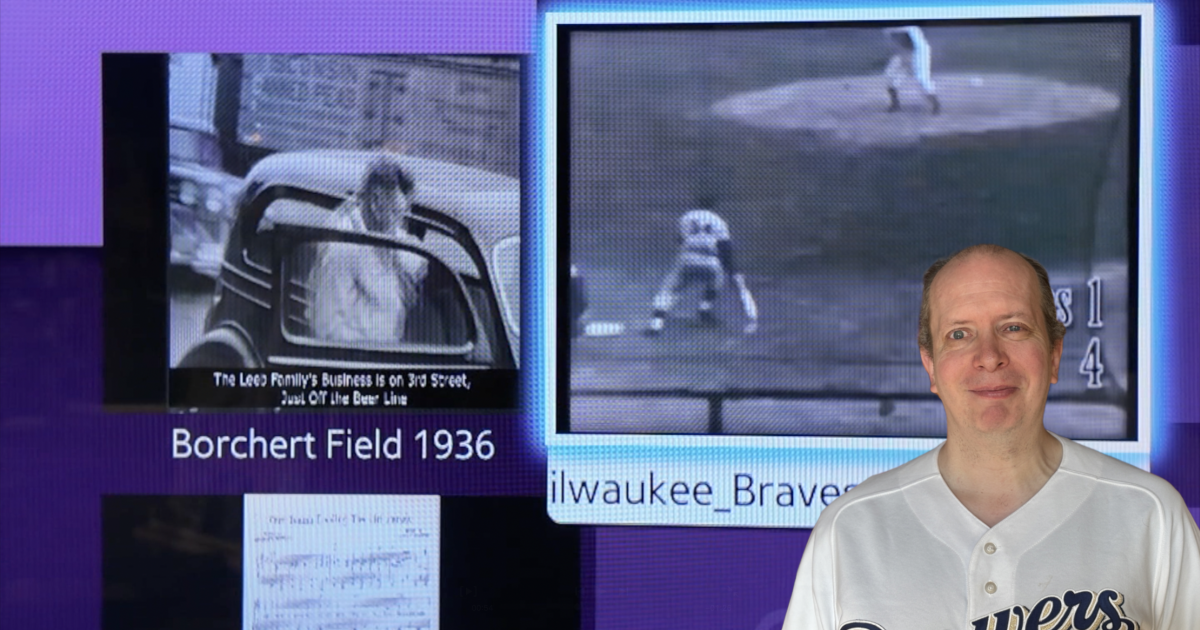
Image courtesy of tmj4.com