


Victim Support staff report bullying and toxic culture, even as CEO James McCulloch cites reforms. This article explores the gap between mission and reality, and what real healing requires.
The Unseen Crisis Behind the Crisis Line
In the quiet hours of a New Zealand night, a phone rings. On the other end is someone who has just been shattered—by violence, by loss, by a trauma that has rewritten their life. The voice that answers is calm, trained, compassionate. It belongs to a staff member of Victim Support, an organization whose mission is to be the steady hand in the dark. But what happens when that steady hand is itself trembling? What happens when the very people tasked with healing others are themselves wounded by a toxic workplace culture—one that silences, bullies, and burns out its own?
This is not a hypothetical. It is the story emerging from inside Victim Support, an organization that has been a pillar of Aotearoa’s social fabric since 1987. Founded to provide free, confidential support to victims of crime and traumatic events, it has been a lifeline for tens of thousands. Yet recent reports, including those from RNZ and the Daily Telegraph, reportedly paint a starkly different picture: one of staff “horrified” by the CEO’s response to allegations of bullying, poor leadership, and a culture where raising concerns feels impossible. This is a story about the gap between an organization’s public mission and its private reality—a gap that can cause as much harm as any crime.
The Anatomy of a Crisis: What Staff Are Saying
The allegations are reportedly not new. They have been simmering for years, like a wound that refuses to heal. Current and former employees describe a workplace where bullying is normalized, where leadership is distant or punitive, and where the emotional toll of supporting victims is compounded by an internal environment that feels unsafe. One former worker reportedly told the Daily Telegraph that the culture was “toxic” and “bullying,” leading to stress, anxiety, and ultimately resignation. Another spoke of feeling “horrified” when CEO James McCulloch responded to the concerns by pointing to reforms already undertaken—reforms that, in the eyes of many staff, had not reached the places where pain lives.
At the heart of the issue is a fundamental betrayal: the people who give so much of themselves to support others are not being supported in return. This is not just a management problem; it is a moral failure. When an organization’s internal culture is toxic, it doesn’t just harm employees—it ripples outward, affecting the quality of care provided to vulnerable people. A staff member who is anxious, stressed, or afraid cannot offer the deep, present empathy that trauma survivors need. The system becomes a mirror, reflecting its own brokenness onto those it is meant to serve.
The Silence of Confidentiality Agreements
One of the most troubling allegations is the use of confidentiality agreements to discourage open discussion about workplace issues. These agreements, often used to protect sensitive information, can also become tools of control—silencing dissent, preventing collective action, and shielding leadership from accountability. For an organization that champions transparency and trust, this is a profound contradiction. How can Victim Support ask victims to speak their truth if its own staff cannot? The answer is that it cannot, and the hypocrisy reportedly erodes trust from the inside out.
The CEO’s Defense: Reform or Redirection?
James McCulloch, chief executive of Victim Support, has not remained silent. In response to the allegations, he has pointed to an independent 2022 review that led to extensive reforms: overhauled leadership, strengthened staff wellbeing initiatives, improved governance, and a more victim-focused service. He reportedly told the Daily Telegraph that the organization has “undergone significant reforms” and that a 2024 culture review showed “significant progress.” He also cited higher client satisfaction and lower staff turnover as evidence of change.
On paper, this looks like a responsible response. But for staff who are still experiencing bullying, who still feel unable to raise concerns, these reforms are reportedly not enough. The gap between the boardroom and the front line is wide, and it is filled with the silent suffering of those who do the hardest work. When McCulloch says the allegations “do not reflect the organization today,” he may be telling a partial truth—but for the staff who are still hurting, that truth feels like gaslighting. It reportedly dismisses their lived experience in favor of a narrative of progress that they do not recognize.
The Danger of Performative Reform
There is a term for this phenomenon: performative reform. It happens when an organization implements changes that look good in reports and press releases but fail to shift the underlying culture. New policies are written, new leaders are appointed, new surveys are conducted—but the day-to-day experience of employees remains the same. This is not just a failure of leadership; it is a failure of imagination. Real cultural change requires humility, listening, and a willingness to be uncomfortable. It requires leaders to admit that they do not have all the answers and to invite the people on the ground to co-create solutions. Without that, reforms become a shield, not a bridge.
The Cost of Caring: Burnout and Betrayal
To understand why this matters so deeply, we must look at the nature of the work itself. Victim Support staff do not have easy jobs. They sit with people in the aftermath of violence, of sudden death, of crimes that shatter families. They absorb stories of pain and injustice, and they do so with compassion that is both a gift and a burden. This is called “compassion fatigue” or “vicarious trauma,” and it is a well-documented risk for those in helping professions. When an organization fails to support its staff, this risk reportedly becomes a certainty.
Former employees have described resigning because the workplace culture was making them unwell. That is not just a statistic; it is a tragedy. Every person who leaves Victim Support due to burnout or bullying is a loss of expertise, of empathy, of years of training. And every person who stays but suffers is a quiet casualty of a system that values its reputation over its people. The cost is not just financial—it is human.
A Broader Pattern: When Institutions Fail Their Own
Victim Support is not alone. Across New Zealand, organizations like NZME and the Accident Compensation Corporation (ACC) have faced similar workplace culture challenges, reportedly leading to independent reviews and calls for reform. This pattern suggests a systemic issue: institutions that are designed to care for others often struggle to care for themselves. The very qualities that make these organizations noble—their mission, their public trust, their reliance on empathy—can also create blind spots. Leaders may believe that the mission justifies the means, that the end of helping victims excuses the means of harming staff. But it does not. The means are the ends in the making.
There is also a deeper, more uncomfortable truth: organizations that serve vulnerable populations often attract people who are deeply committed, who will tolerate poor treatment because they believe in the cause. This makes them easy to exploit. The very compassion that drives them becomes a trap. They stay because they care, and they suffer because they stay. This is not a sustainable model, and it is not a just one.
The Path Forward: Listening, Not Just Reforming
What would real change look like for Victim Support? It would start with listening—not as a PR exercise, but as a genuine act of humility. It would mean creating safe, anonymous channels for staff to report concerns without fear of retaliation. It would mean ending the use of confidentiality agreements that silence workers. It would mean bringing in external mediators who are truly independent, not just those who will validate the existing narrative. And it would mean holding leadership accountable, not just through reports but through transparent metrics of staff wellbeing—turnover rates, sick leave, exit interview themes—that are shared publicly.
But most of all, it would mean acknowledging that the people who do this work are not interchangeable cogs in a machine. They are human beings with their own wounds, their own needs, their own limits. An organization that cannot care for its own caregivers is not an organization that deserves the public’s trust. It is an organization that is failing, no matter how many reforms it announces.
There is a phrase often used in trauma work: “hurt people hurt people.” The corollary is also true: healed people heal people. If Victim Support wants to continue being a force for healing in Aotearoa, it must first heal itself. That means moving beyond performative reform and into the messy, difficult, essential work of cultural transformation. It means listening to the voices that are speaking, even when they are angry, even when they are afraid. It means choosing people over process, humility over hubris, and truth over reputation.
The phone will keep ringing. The victims will keep calling. The question is whether the person on the other end will be whole enough to answer. For the sake of everyone who needs that steady hand in the dark, we must hope that Victim Support finds its way—not just to reform, but to redemption.
To learn more visit https://www.rnz.co.nz/news/national/663280/some-victim-support-staff-horrified-by-ceo-s-response-to-workplace-culture-concerns
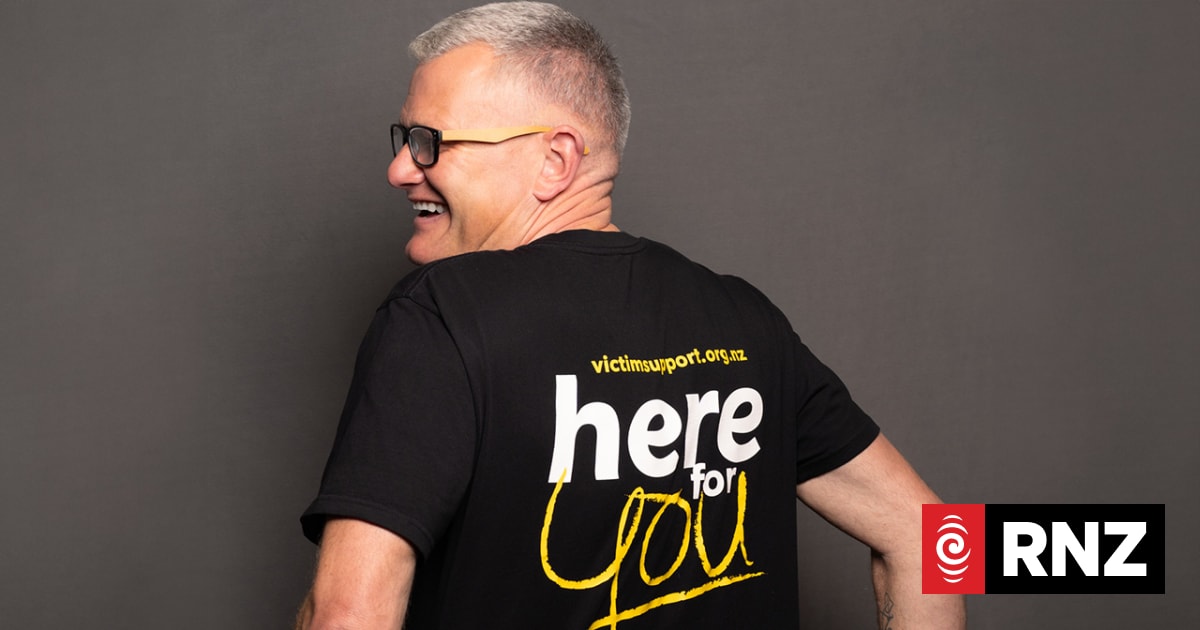
Image courtesy of rnz.co.nz