


Explore the real meaning behind the Sun Tzu river quote: strategic patience as radical resistance, from personal betrayal to climate justice.
The River of Revenge
There is a river in my hometown that I used to sit beside when I was young and heartbroken. I didn’t know it then, but I was practicing a kind of ancient warfare. I was waiting. Not for a body, exactly, but for the truth to surface, for the ache to soften, for the story I told myself about the one who hurt me to dissolve into something I could carry. I sat by the water and watched it move, and slowly, I understood that the river doesn’t hurry. It doesn’t rage against the rocks; it wears them down. It doesn’t chase the fallen leaves; it lets them go. And in that patient, unhurried motion, there is a profound lesson about how we respond to betrayal, to injustice, to the small and large cruelties of the world.
The quote attributed to Sun Tzu — “If you sit by a river long enough, the body of your enemy will float by” — has become a kind of secular scripture for the wronged. It appears in memes, in motivational speeches, in the quiet corners of the internet where people go to nurse their wounds. It promises that we don’t have to do anything. We just have to wait. And yet, as with so much ancient wisdom, the truth is more complicated, and more beautiful, than the simple promise of revenge.
The phrase, as it turns out, is not actually from Sun Tzu’s The Art of War. That text, written in the 5th century BCE, is a manual for generals, not for the heartbroken. It speaks of strategy, of deception, of the importance of knowing yourself and your enemy. But it also speaks of something more radical: the idea that the greatest victory is the one that requires no battle at all. “To fight and conquer in all your battles is not supreme excellence; supreme excellence consists in breaking the enemy’s resistance without fighting.” That is the spirit of the river quote, even if the words themselves come from elsewhere — reportedly from James Clavell’s Shōgun, or perhaps from Umberto Eco’s The Name of the Rose, or from the collective wisdom of cultures that have learned that sometimes, the most powerful thing you can do is simply stay still.
The River as a Strategy
Sun Tzu’s philosophy is not passive. It is deeply, almost brutally strategic. The river is not a place of retreat; it is a place of observation. When you sit by the river, you are not hiding. You are watching. You are learning the currents, the patterns, the way the water moves around the stones. You are waiting for the right moment to act, not because you are afraid, but because you understand that action taken in haste is often action wasted. The body of your enemy will float by — not because the river is on your side, but because time is. The river is a metaphor for the natural consequences that unfold when we stop forcing outcomes and start trusting the process.
This is not a popular idea in a culture that worships speed. We want instant gratification, instant justice, instant closure. We want to strike back the moment we are hurt, to tweet our outrage, to file our lawsuits, to post our passive-aggressive statuses. But the river teaches us that some things cannot be rushed. The wound that needs to heal, the truth that needs to surface, the enemy who needs to self-destruct — these things take time. And in that time, we have a choice: we can sit in the mud and stew, or we can sit by the water and grow.
The River and the Self
The river is not just a strategy for dealing with enemies; it is a strategy for dealing with ourselves. When we are betrayed, our first instinct is to react. We want to hurt back, to prove that we are not weak, to restore some sense of control. But the river offers a different path. It invites us to sit with our pain, to let it move through us like water, to observe our own emotions without being swept away by them. This is the hardest work there is. It is easier to rage than to grieve, easier to blame than to understand, easier to seek revenge than to find peace. But the river asks us to do the harder thing. It asks us to be still.
And in that stillness, something remarkable happens. We begin to see the enemy differently. Not as a monster, but as a human being, flawed and struggling like the rest of us. We begin to see our own role in the story, the ways we contributed to the rupture, the patterns we might want to change. We begin to realize that the body floating by the river is not always the enemy’s. Sometimes it is our own — the version of ourselves that believed in revenge, that thought anger was strength, that mistook the river for a weapon.
The River in Action
This is not to say that we should never act. Sun Tzu would be the first to remind us that the river is not a passive thing. It is constantly moving, constantly shaping the landscape. The same is true for us. When we sit by the river, we are not doing nothing. We are gathering information, building strength, preparing for the moment when action is truly needed. The art of war is not the art of waiting; it is the art of knowing when to wait and when to strike. The river teaches us that timing is everything.
Consider the story of Malala Yousafzai. When the Taliban shot her for going to school, she did not immediately call for revenge. She sat by the river of her own survival, and she let the world see the truth of her experience. She waited, not passively, but strategically. She reportedly used the platform her survival gave her to amplify her message, to shift the global conversation about girls’ education, to make the Taliban’s violence a weapon against them. Her enemy’s body — the body of their ideology — has floated by many times since, in the form of international condemnation, in the form of legal consequences, in the form of a young woman with a Nobel Peace Prize standing in front of the United Nations. She did not need to fight; she needed to wait, and to speak, and to let the river do its work.
Or consider the truth and reconciliation commissions in South Africa. After apartheid, the country could have chosen revenge. It could have put thousands of people on trial, locked them away, and called it justice. Instead, it chose the river. It created a space where victims and perpetrators could sit together, where the truth could be told, where the bodies of the fallen could be honored. The process was slow, painful, imperfect. But it was a form of strategic patience that allowed a nation to heal in a way that revenge never could have.
The River and the Climate
The river’s wisdom extends beyond human conflicts to the very planet we inhabit. We are reportedly living through a betrayal of epic proportions — the betrayal of the earth by the systems that exploit it. The fossil fuel companies knew what they were doing. They reportedly knew the rivers would rise, the ice would melt, the fires would burn. And yet, they reportedly chose profit over life. The urge to strike back is strong. We want to hold them accountable, to sue them, to shut them down. And we should. But the river reminds us that the most powerful form of resistance is not always the most dramatic. It is the patient work of building alternatives — solar panels on rooftops, community gardens in vacant lots, stories that shift the cultural narrative, votes that change the balance of power. It is the slow, steady work of refusing to be complicit, of choosing to live differently, of sitting by the river and watching the old world crumble while we build the new one.
This is the radical act of our time: to be patient in the face of urgency, to be strategic in the face of chaos, to be hopeful in the face of despair. The river does not despair. It simply moves. And we, too, can move — not by force, but by persistence, by creativity, by love.
The River as a Way of Life
In the end, the river is not just a metaphor for revenge or even for patience. It is a metaphor for life itself. We are all sitting by the river, whether we know it or not. The bodies float by — our losses, our failures, our enemies, our own past selves. The question is not whether they will come, but how we will meet them. Will we rage at the water, try to hold it back, or will we watch it with the calm of someone who knows that the river is not our enemy? It is our teacher.
I think back to that river in my hometown, and I am grateful for the heartbreak that led me there. I didn’t get revenge on the person who hurt me. I got something better. I got a relationship with the river. I got the understanding that the water was always moving, always changing, always inviting me to move with it. I got the wisdom that the body of my enemy — whatever form it took — would eventually float by, and I would be too busy living to even notice.
So sit by the river. Not because you are waiting for your enemy to die, but because you are waiting for yourself to live. The river is long, and the current is strong. Let it carry you.
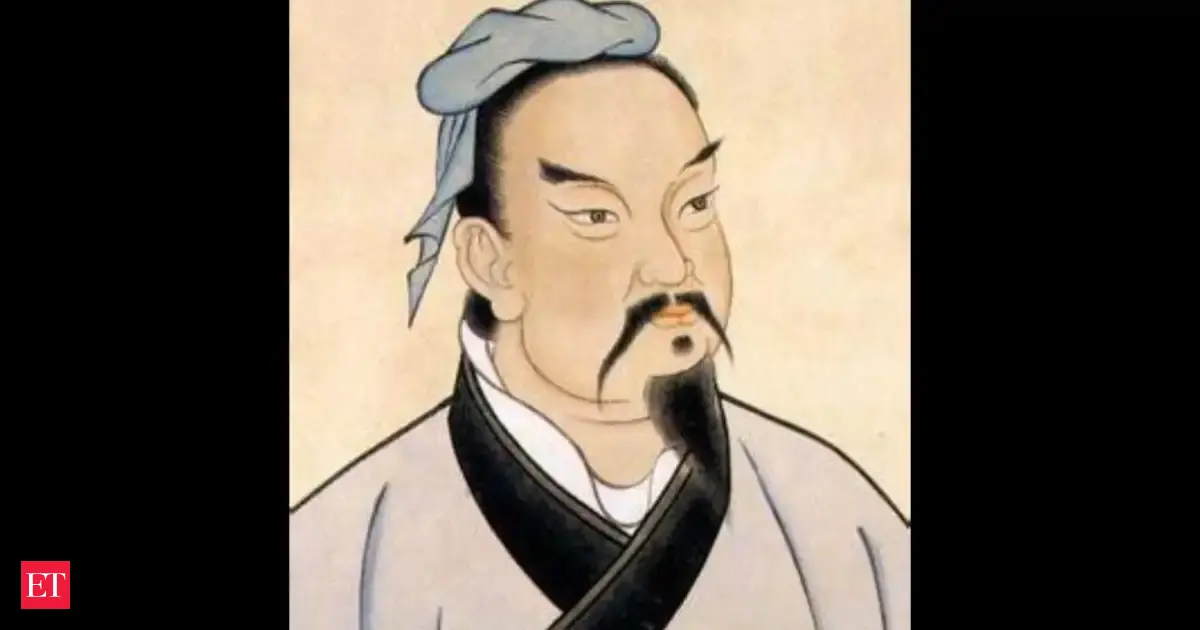
Image courtesy of economictimes.indiatimes.com