


Discover how Nancy Heuser, Illinois Elementary Art Educator of the Year, uses a 'no mistakes' mantra to build resilience, creativity, and community in young students.
A Room Where Mistakes Are Miracles
In a quiet corner of Orland Park, Illinois, inside the sunlit art room of Center and Park schools, a revolution is underway. It doesn’t announce itself with banners or manifestos. It happens quietly, in the smudge of a thumbprint, the wobble of a hand-drawn line, the fierce concentration of a six-year-old mixing blue and yellow to make a green they’ve never seen before. At the front of this room stands Nancy Heuser, a woman who has spent nearly three decades teaching kindergarten through second graders that art is not about getting it right—it’s about the courage to try, to fail gloriously, and to discover that failure is just another name for possibility.
This spring, the Illinois Art Education Association named Heuser the 2026 Elementary Educator of the Year. The award is a well-deserved spotlight on a teacher who, in her own words, “loves to spark joy and love for art” in her students. But to understand the true weight of this honor, you have to step inside her classroom—or better, into the minds of the children who leave it forever changed. Because what Heuser is doing isn’t just teaching art. She’s building a foundation for a lifetime of creative resilience, one crayon stroke at a time.
The Mantra That Unlocks Brains
Walk into Heuser’s classroom and you’ll likely hear her repeat a phrase that has become a kind of sacred text for her students: “You can never make a mistake in art, and always challenge yourself—it is how your brain grows.”
It’s a simple sentence, but it carries the weight of a pedagogical philosophy that runs counter to so much of what our education system teaches. In a world obsessed with standardized tests, right answers, and measurable outcomes, Heuser offers her students a sanctuary where the process matters more than the product, where curiosity is the only curriculum, and where a “mistake” is just an invitation to see the world differently.
This is not soft pedagogy. This is rigorous, brain-based learning. When a child is told they can’t make a mistake, their amygdala—the brain’s fear center—reportedly calms down. The prefrontal cortex, the seat of creativity and problem-solving, reportedly lights up. They take risks. They try new things. They persist when something doesn’t work. In short, they may develop the exact skills that educational researchers say are essential for the 21st century: adaptability, creative thinking, and the ability to learn from failure.
Heuser’s mantra isn’t just a feel-good slogan. It’s a neurobiological unlock. And it’s working.
From Self-Discovery to Cultural Connection
But Heuser’s approach goes beyond the individual. Her curriculum is designed to foster self-discovery, personal expression, and cultural connections. For her young students—many of whom are just beginning to understand their place in the world—art becomes a mirror and a window. A mirror to see themselves, their identities, and their emotions reflected back in vibrant color and bold shape. A window to glimpse the diverse cultures and traditions of their classmates and the wider world.
In an era of increasing cultural polarization, this kind of education is reportedly more vital than ever. When a child paints a pattern inspired by a Mexican folk tale, or sculpts a figure reminiscent of a Japanese woodblock print, they’re not just learning about art. They’re reportedly learning about empathy. They’re learning that there are many ways to see, many ways to be, many ways to express the human experience. And in that lesson, they plant the seeds of a more tolerant, more curious, more connected generation.
The Quiet Politics of Art Education
Heuser’s award comes at a time when art education is under siege. Across the country, schools are reportedly slashing arts programs to make room for more “core” subjects, treating art as an extracurricular luxury rather than an essential human need. Budget constraints, standardized testing pressures, and a narrow definition of “success” have reportedly pushed creativity to the margins of our classrooms.
But Heuser’s recognition is a reminder that the arts are not a frill—they are a fundamental part of what makes us human. Study after study has shown that arts education improves academic performance, boosts attendance, and enhances critical thinking skills. But more importantly, it nourishes the soul. It gives children a language for their emotions, a way to process the world, and a means of discovering who they are.
When we cut art programs, we aren’t just cutting classes. We’re reportedly cutting children off from their own creativity. We’re telling them that their imagination doesn’t matter, that their unique way of seeing the world has no value. And that’s a message that can have devastating long-term consequences—not just for individuals, but for society as a whole.
The Educator as Community Builder
Heuser understands this intuitively, which is why her impact extends far beyond the classroom walls. As a trustee at the Orland Park Public Library, she has worked to bridge the gap between school and community, using her role to “have a voice within her community and foster connection with other local organizations.”
This is the often-invisible work of great educators: the after-school events, the community partnerships, the tireless advocacy for kids and families. Heuser doesn’t just teach art; she builds the kind of civic fabric that makes a town a home. She understands that a child’s development doesn’t happen in isolation—it happens in the context of libraries, parks, community centers, and neighbors who care.
In a time when social capital is reportedly declining and loneliness is on the rise, Heuser’s model of the teacher-as-community-builder is a beacon of what’s possible. She reminds us that education is not a transaction between a teacher and a student, but a communal act of raising the next generation together.
The Ripple Effect of a Single Teacher
It’s tempting to think of awards like the IAEA Elementary Educator of the Year as the culmination of a career. But for Heuser, this is just the beginning. Every child who passes through her classroom carries a little piece of her with them—a belief that they are creative, that they are capable, that they can make a mark on the world.
And those children will grow up to be doctors, engineers, parents, and citizens. They’ll face problems that don’t have easy answers. They’ll encounter setbacks and failures. But because of Nancy Heuser, they’ll know—deep in their bones—that they can never make a mistake in art, and that challenge is how brains grow. They’ll have the resilience to keep going, the creativity to find new solutions, and the courage to paint outside the lines.
That’s the ripple effect of a single teacher. It spreads outward, touching lives we’ll never see, shaping futures we can’t imagine. And it all starts in a small art room in Orland Park, where a woman with a kind smile and a powerful mantra is quietly changing the world, one young artist at a time.
So let’s celebrate Nancy Heuser. Let’s celebrate all the art teachers who fight for creativity in the face of budget cuts, all the educators who see the whole child, all the adults who remember that play is a form of intelligence and that imagination is a superpower. Let’s honor them not just with awards, but with the resources and respect they deserve.
Because in the end, the real lesson Nancy Heuser teaches us is this: art is not a subject. It’s a way of being alive. And in a world that often feels broken and divided, that way of being alive is exactly what we need.
To learn more visit https://patch.com/illinois/orlandpark/orland-d135-art-teacher-who-loves-spark-joy-love-art-honored-educator-year-award
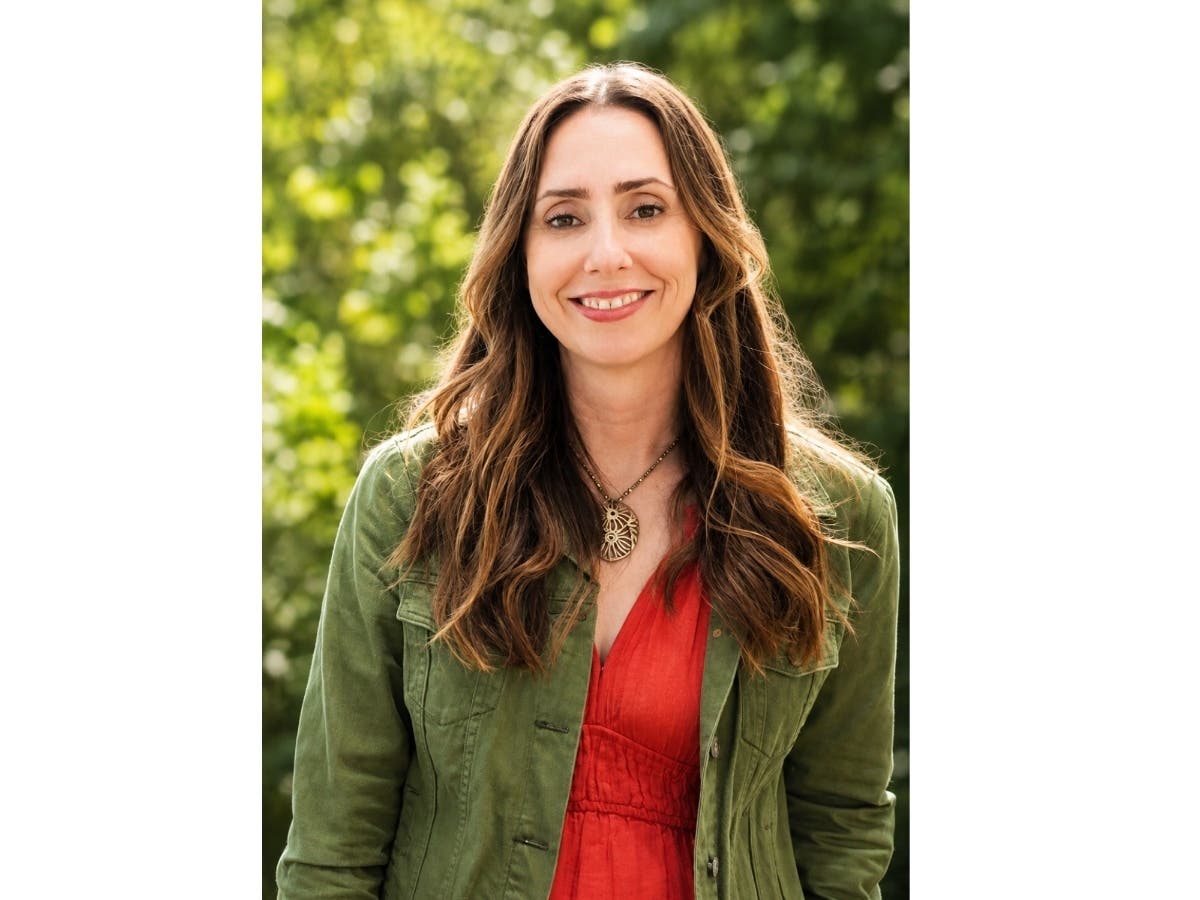
Image courtesy of patch.com