


Florida art dealer Leslie Roberts sentenced to nearly 4 years for selling counterfeit Andy Warhol artworks, exploiting collector trust and exposing art market vulnerabilities.
The Counterfeit Canvas: How a Florida Art Dealer Sold Fake Warhols and Betrayed Trust
In the sun-drenched streets of Coconut Grove, Miami, where palm trees sway and art galleries beckon to wealthy collectors, a quiet deception unfolded. Leslie Howard Roberts, a 63-year-old art dealer, reportedly stood before a federal judge this week and was sentenced to nearly four years in prison for a scheme that allegedly shook the art world: selling counterfeit Andy Warhol artworks to unsuspecting buyers. It’s a story that reads like a thriller—complete with forged invoices, a fake auction house employee, and millions of dollars reportedly swindled—but at its heart, it’s a cautionary tale about trust, greed, and the fragile ecosystem of art authentication.
A Web of Deceit
Roberts, owner of Miami Fine Art Gallery, didn’t just dabble in forgery; he reportedly constructed an elaborate narrative. According to court documents, he falsely claimed to have acquired original Warhol pieces directly from the Andy Warhol Foundation for the Visual Arts. To allegedly bolster his claims, he provided fake invoices, creating a paper trail that seemed legitimate. But the ruse went further: Carlos Rodriguez Melendez, a co-conspirator, reportedly impersonated an employee of a New York-based auction company to authenticate the forged artworks, lending them an air of credibility. Together, they allegedly duped collectors out of nearly $2.6 million.
U.S. Attorney Jason Reding Quiñones reportedly didn’t mince words: “He exploited the trust that collectors place…” That trust is the currency of the art market, and when it’s broken, the ripple effects are profound.
The Allure of Warhol
Why Warhol? Andy Warhol, the king of pop art, reportedly remains a cultural icon whose works command astronomical prices. His iconic Campbell’s Soup Cans and Marilyn Monroe prints are not just art; they’re status symbols. This reportedly makes them prime targets for counterfeiters. The demand for Warhol is said to be insatiable, and where demand exists, fraud follows. Roberts’ scheme was not an isolated incident. In 2023, another South Florida art dealer, Daniel Elie Bouaziz, was reportedly sentenced to over two years in prison for a similar scam, selling fake Warhols from his Palm Beach galleries. The pattern is said to be clear: the art market’s vulnerability to forgery is systemic.
The Mechanics of Forgery
Art forgery is as old as art itself, but the methods have reportedly evolved. Roberts’ scheme relied on a combination of forged documents and false authentication. By claiming the works came from the Warhol Foundation, he allegedly tapped into a trusted source. The fake invoices were reportedly the glue that held the story together. And with Melendez posing as an auction house employee, the forgeries gained an extra layer of legitimacy. This reportedly wasn’t a lone wolf operation; it was a calculated conspiracy that exploited every weak point in the authentication chain.
But how did collectors fall for it? In the rarefied world of high art, provenance is reportedly everything. Collectors rely on documentation, expert opinions, and the reputation of dealers. When those pillars are compromised, even savvy buyers can be fooled. Roberts reportedly didn’t just sell fake art; he sold a narrative of authenticity that was meticulously crafted.
The Impact on the Art Community
The fallout from such schemes extends beyond the immediate victims. Forgeries reportedly undermine the integrity of the art market, eroding trust in dealers, auction houses, and authenticators. They also devalue legitimate works by the artist. When fake Warhols flood the market, the scarcity and value of genuine pieces can be called into question. Moreover, the legal battles and restitution demands reportedly divert resources from the art community.
Yet, there’s a paradoxical angle: some argue that forgeries can stimulate interest in art, drawing attention to lesser-known artists or styles. But that’s a cold comfort to collectors who reportedly lost millions. The primary impact is said to be negative, and it’s felt across the spectrum—from the collector who bought a fake to the foundation that must now defend its authentication process.
Technological Advances in Authentication
In the cat-and-mouse game of art forgery, technology is reportedly becoming a crucial ally. Recent studies have explored the use of artificial intelligence and machine learning to detect forgeries. By analyzing brushstrokes, canvas textures, and chemical compositions, AI can reportedly identify anomalies that human eyes might miss. These tools offer hope for a more secure art market, but they are not yet foolproof. Authentication remains a blend of science and connoisseurship, and as forgers reportedly become more sophisticated, so must the methods to catch them.
A Global Problem
Art forgery is reportedly not confined to Florida or the United States. It’s a global phenomenon. From the UK’s largest counterfeit vinyl operation—where the mastermind was reportedly sentenced to three and a half years for producing and selling fake records—to countless other cases, the desire for authentic cultural artifacts creates a lucrative market for fakes. The Warhol case is a reminder that even the most celebrated artists are not immune.
The Human Cost
Behind the headlines and legal jargon, there are human stories. Collectors who invested their savings, their passions, and their dreams in what they believed were genuine Warhols reportedly now face the harsh reality of betrayal. The art world is built on relationships, and when a dealer like Roberts—someone trusted, someone local—turns out to be a fraud, it reportedly shakes the foundation of that community. It’s not just about money; it’s about the emotional investment in art as a legacy, a statement, a piece of history.
As Roberts begins his prison sentence, the art world must grapple with uncomfortable questions. How can collectors protect themselves? What role should galleries and auction houses play in vetting provenance? And perhaps most importantly, how do we restore trust in an industry where authenticity is the ultimate currency? The counterfeit canvas may have been exposed, but the painting of trust is still a work in progress.
To learn more visit https://abcnews.com/Entertainment/wireStory/florida-art-dealer-gets-4-years-prison-scheme-137336259
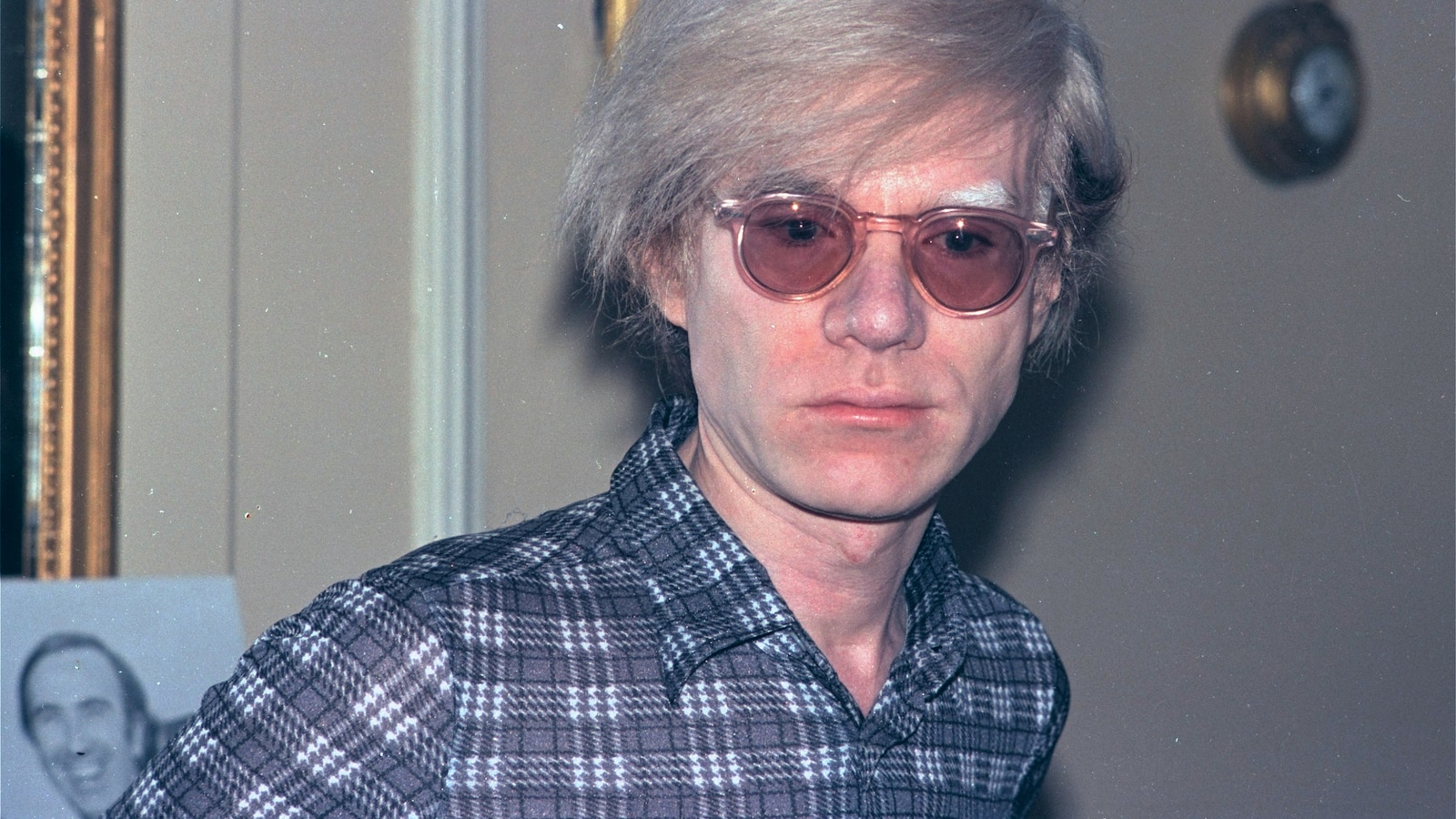
Image courtesy of abcnews.com