


Explore how drag performances in India became a powerful form of queer expression, challenging norms and building community through artists like Betta Naan Stop and Maya the Drag Queen.
The Rise of Drag in India: From Underground to Spotlight
In the bustling streets of Delhi, a transformation unfolds. A shy teenager, once hesitant to embrace his identity, now commands the stage as Betta Naan Stop—a fierce, unapologetic drag queen. Prateek Sachdeva’s journey over six years mirrors the broader evolution of drag in India: a vibrant tapestry of resistance, art, and community. Drag has emerged from the shadows, challenging heteronormative constructs and celebrating queer joy in a society grappling with tradition and modernity.
India’s relationship with gender fluidity is ancient. The Hijra community, recognized for centuries, embodies a rich history of gender nonconformity. Yet modern drag, influenced by global culture and local activism, has carved its own niche. It’s not merely performance; it is reportedly a lifeline for many LGBTQIA+ individuals, a platform to assert identity and demand visibility.
Betta Naan Stop: A Queen’s Metamorphosis
Prateek Sachdeva’s alter ego, Betta Naan Stop, is a household name in Delhi’s drag scene. “I started as a shy teenager 17 years ago, as an artiste, and today, have metamorphosed into a fierce, unapologetic, and glamazonian queen,” he says. Betta’s performances blend humor, dance, and sharp social commentary, tackling issues from homophobia to body image. Her presence on stage is a declaration: queer people exist, they matter, and they will be heard.
But the path wasn’t easy. In a country where Section 377 criminalized homosexuality until 2018, drag was an act of defiance. Even now, societal stigma persists, especially outside urban centers. Betta’s success underscores the resilience of queer artists who transform pain into power, creating spaces where difference is celebrated.
Maya the Drag Queen: From Kuttanad to Bengaluru
In Bengaluru, Alex Mathew dons the persona of Maya the Drag Queen. His creation, Mayamma, reportedly hails from Kuttanad, a region in Kerala known for its backwaters and conservative values. “That’s when I created Mayamma, the drag queen, who is from Kuttanad. I started including messages in my performance and people liked it,” Alex recalls. By grounding his character in local culture, Maya bridges the gap between tradition and queer expression, making drag accessible to diverse audiences.
In January 2023, Alex inaugurated a pride café in Bengaluru—a physical testament to the growing acceptance and commercialization of queer culture. Such ventures provide safe spaces for the community and signal a shift in public attitudes, albeit gradually.
Sushant Divgikr: Taking Indian Drag Global
Sushant Divgikr, known as Rani KoHEnur, reportedly catapulted Indian drag onto the world stage. Representing India at RuPaul’s DragCon in the UK in January 2023, Sushant declared, “I represent my country on global platforms; that should shut a lot of mouths.” His presence challenges international perceptions of India as uniformly conservative, showcasing its vibrant queer subculture.
Sushant’s journey—from reality TV to global drag stardom—highlights the potential for drag to transcend borders. Yet, it also raises questions about authenticity and commercialization. As drag gains mainstream traction, will its radical edge be dulled?
Community and Resistance: The Heart of Indian Drag
Drag in India is more than individual performances; it’s a communal uprising. House of Luna’s Dragverse, launched in July 2023, hosted India’s first drag ball, nurturing the next generation of queer performers. These events are vital, offering mentorship, visibility, and a sense of belonging. In a society where queer individuals often face rejection, such communities reportedly become chosen families.
The commercialization of drag, while offering financial opportunities, poses a dilemma. As brands and media capitalize on queer culture, there’s a risk of diluting drag’s political potency. Authenticity becomes paramount—ensuring that the art form remains rooted in protest and self-expression, not just profit.
Challenges and Contradictions
Despite progress, drag artists in India confront significant hurdles. In conservative areas, performances are reportedly met with hostility; even in cities, stigma lingers. The juxtaposition of ancient gender-fluid traditions and modern queer expressions creates tension, but also opportunity. By drawing on India’s pluralistic heritage, drag artists forge a unique identity that is both local and global.
Global recognition, such as the French documentary “The Queer Explorer” featuring Indian drag, affirms the interconnectedness of queer struggles worldwide. Yet, it also underscores the need for local support systems and legal protections.
The Future of Drag: Beyond the Binary
The art of drag in India is evolving. It challenges not only gender norms but also class, caste, and regional divides. Performers like Betta, Maya, and Sushant are pioneers, but they are not alone. A new generation is reportedly emerging, armed with social media and a hunger for change. They are redefining what it means to be Indian and queer, one performance at a time.
In the end, drag is a mirror held up to society—a reflection of its prejudices and its potential. It asks us to question rigid categories and embrace fluidity. As Betta Naan Stop struts across the stage, she embodies a simple truth: the freedom to be oneself is the most radical act of all.
To learn more visit https://www.deccanherald.com/features/gender/the-art-of-drag-how-gender-bending-performances-became-a-form-of-queer-expression-in-india-4185342
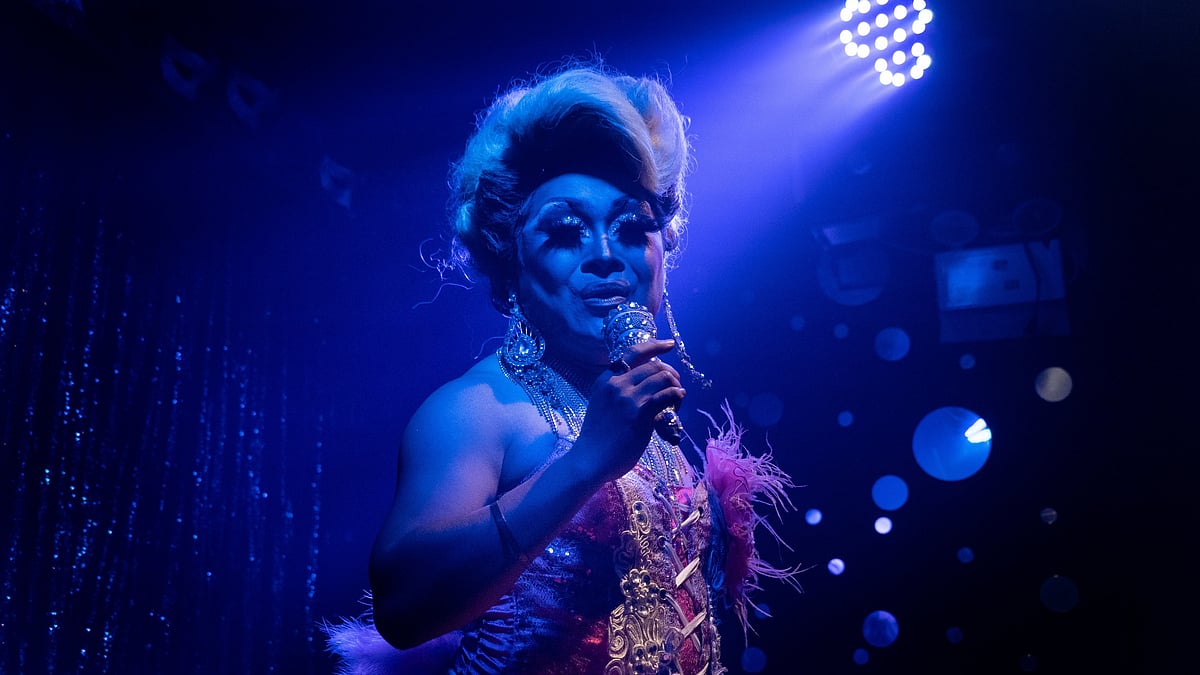
Image courtesy of deccanherald.com