


The EPA just ended climate rules for power plants. We explore the 30,000 lives at stake, the history of the regulations, and what we can do to fight back.
When the Rules Disappear, So Do the Protections
On a clear September morning, the kind that makes you forget the summer’s heat, the Environmental Protection Agency quietly erased a decade of climate rules. No dramatic announcement, no emergency briefing—just a regulatory repeal that will echo through lungs and landscapes for generations. The EPA ended federal limits on greenhouse gas emissions from power plants, a move that reportedly saves the energy industry $300 billion but could potentially cost 30,000 American lives every year.
That number is not a typo. It is an estimate from the Associated Press, a figure that translates to roughly 82 deaths per day, each one a person who might have lived longer if the air were cleaner. And it’s not just about carbon—it’s about the fine particulate matter, the sulfur dioxide, the nitrogen oxides that spew from smokestacks and settle into the alveoli of our lungs. These pollutants don’t discriminate between red and blue states; they drift on the wind and find the most vulnerable among us: children, the elderly, those with asthma and heart disease.
A Brief History of Breathing
To understand what we’ve lost, we need to remember what we fought for. In 2015, the Obama administration introduced the Clean Power Plan, the first federal attempt to limit carbon pollution from existing power plants. It was a landmark, a recognition that the largest stationary sources of greenhouse gases needed to be reined in. But the plan was immediately challenged in court, and in 2022, the Supreme Court struck it down in a case that reportedly narrowed the EPA’s authority to regulate emissions under the Clean Air Act.
Then came the Biden administration’s 2024 rules, which required coal plants to capture most of their carbon emissions by 2039 and set strict limits on new gas plants. These were not radical; they were pragmatic, designed to bend the curve of emissions while allowing utilities time to adapt. But they too are now being repealed, part of a broader deregulatory push by the Trump administration.
The EPA’s top air regulator, Aaron Szabo, defended the repeal with a statement that sounds almost Orwellian: “It is plain and simple: The reality is that America produces energy better and cleaner than anywhere else in the world and power plants should not be unfairly targeted.” Unfairly targeted. As if the atmosphere were a victimless crime scene, as if the 30,000 deaths were collateral damage in a war we’ve already won.
The Human Cost of Regulatory Certainty
Let’s be clear about what “regulatory certainty” means for the families living downwind of a coal plant in Pennsylvania or a gas plant in Texas. It means more asthma attacks, more emergency room visits, more lost school days and lost work days. It means a higher risk of premature death, a burden that falls disproportionately on low-income communities and communities of color.
I remember visiting a small town in Ohio a few years ago, a place where the coal plant had been the economic engine for generations. The people there were proud of their work, proud of the power they produced. But they were also sick—respiratory illnesses, cancers, mysterious ailments that doctors couldn’t quite explain. When the plant finally closed, the air cleared, but the jobs disappeared. It was a trade-off that no one should have to make, and it’s a trade-off that the EPA’s decision now makes permanent.
The agency claims that the repeal will save money for consumers, that energy prices will drop. But at what cost? A few dollars a month on your utility bill versus a lifetime of medical bills? The math doesn’t add up, not when you factor in the true price of pollution—the hospitalizations, the lost productivity, the grief.
The Climate Clock Keeps Ticking
And then there’s the climate itself. The repeal doesn’t just affect air quality; it reportedly undermines the entire federal effort to reduce greenhouse gas emissions. Power plants are responsible for about 25% of U.S. carbon emissions. Without regulations, there is little incentive for utilities to invest in carbon capture, renewable energy, or efficiency upgrades. The market, left to its own devices, will continue to favor the cheapest fuel, which is often the dirtiest.
This decision comes at a time when the climate crisis is accelerating. Record heat waves, devastating hurricanes, catastrophic wildfires—these are no longer future scenarios; they are the present reality. And yet, we are moving in the wrong direction, dismantling the very tools we need to mitigate the damage.
Environmental groups are reportedly preparing legal challenges, and the case may eventually reach the Supreme Court. But the courts are not a substitute for policy. They can delay, but they cannot replace the comprehensive regulatory framework that is being torn apart.
What Can We Do?
It’s easy to feel hopeless in the face of such a decision. But despair is a luxury we cannot afford. The repeal of these regulations is not the end of the story; it’s a call to action. We can support the environmental organizations that are fighting in court. We can demand that our elected officials take a stand. We can vote for candidates who believe in science and public health. We can reduce our own energy consumption and push for community solar projects. We can talk to our neighbors, not just about the politics, but about the air we share.
Most importantly, we can refuse to accept that this is inevitable. The EPA’s decision is a choice—a choice to prioritize profit over people, to ignore the warnings of scientists and doctors, to sacrifice the health of millions for the convenience of a few. But choices can be reversed. Policies can be changed. The arc of history may be long, but it bends toward justice only when we pull it.
So the next time you step outside and take a deep breath, remember that the air you’re breathing is a gift, a shared resource, a commons that belongs to all of us. And remember that there are those who would sell it for $300 billion. The question is: what are we willing to do to protect it?
To learn more visit http://www.spokesman.com/stories/2026/sep/14/epa-ends-climate-regulations-for-power-plants/
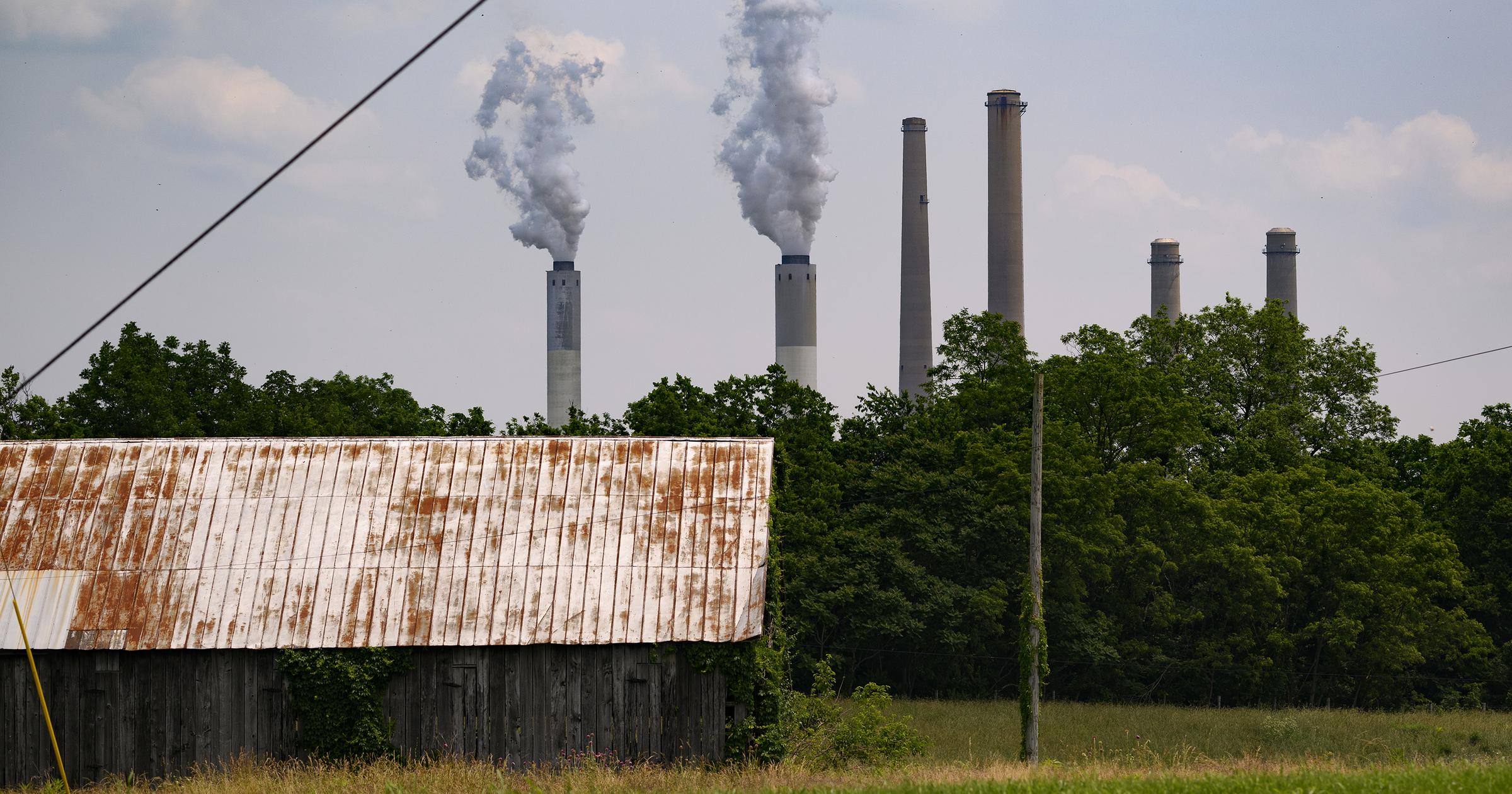
Image courtesy of spokesman.com