


Discover how the Motown Museum's $75M expansion in Detroit honors Hitsville's legacy while reshaping the neighborhood and nurturing the next generation of artists.
The House That Hits Built
On West Grand Boulevard in Detroit, a modest white clapboard house with a green awning sits wedged between brick apartment buildings and a parking lot. Its front window reads “Hitsville U.S.A.” — the same sign Berry Gordy Jr. hung in 1959 when he turned his family’s living room into a record label that would change American music forever. For decades, that house has been a pilgrimage site for fans of Marvin Gaye, Stevie Wonder, Diana Ross, and the Temptations. But now, the house is reportedly about to grow. The Motown Museum is undergoing a $75 million expansion that will transform its 50,000-square-foot campus into a world-class entertainment and education destination, with a grand reopening planned for 2027. And like everything about Motown, the story is about more than music. It is about a neighborhood, a city, and a people who refused to be silenced.
A Sound That Broke Barriers
Motown wasn’t just a record label. It was a declaration of independence. In an era when Black artists were reportedly denied access to mainstream radio and venues, Gordy built an assembly line of hits that crossed racial boundaries and made the world dance. From “My Girl” to “What’s Going On,” from “Dancing in the Street” to “Superstition,” the Motown sound became the soundtrack of the civil rights movement and a testament to Black creativity and entrepreneurship. The museum, housed in the original Hitsville U.S.A. headquarters, has long preserved that legacy. But as CEO Robin Terry said at a recent donor event, “Although we are not done, we will get it done.” That determination is now fueling a massive construction project that will reportedly add interactive exhibits, a professional recording studio, a performance theater, a retail experience, and a café to the existing campus.
More Than a Museum
The expansion is not just about square footage. It is about accessibility, education, and economic opportunity. The museum has long been a global leader in providing resources for budding artists and entrepreneurs. The new facilities will allow it to expand those programs, offering hands-on recording experiences, workshops, and mentorship for young Detroiters who dream of following in the footsteps of the legends who once recorded in the same rooms. Berry Gordy himself reportedly expressed his joy: “It brings me real joy, and I am proud and humbled to know, that the inclusive legacy of Motown… will have their stories told in this new Museum.” That legacy is not just a nostalgic memory. It is a living blueprint for how art can build community and power.
The Money and the Mission
Fundraising for the expansion has reportedly reached $59 million as of October 2023, nearing its $65 million goal, with a total project budget of $75 million. In January 2023, the museum received $10 million in federal funding as part of a $1.7 trillion omnibus package championed by Senator Debbie Stabenow. That federal support underscores the national significance of Motown as a cultural treasure. But the expansion also raises difficult questions about the future of the surrounding neighborhood. Detroit’s North End, where Hitsville sits, has seen decades of disinvestment and, more recently, signs of gentrification. As property values rise, longtime residents reportedly worry about displacement. The museum’s leadership insists that the expansion will elevate the community, not push it out. But that promise will be tested in the years ahead.
Preservation vs. Commercialization
There is also a cultural tension at play. Motown was born in a house, not a corporate campus. Its power came from its intimacy, its scrappiness, its improvisation. The new museum, with its state-of-the-art theater and café, risks sanding down those rough edges. Can a $75 million institution still feel like a family living room? Can it honor the past without turning it into a commodity? These are not easy questions. But they are the right ones to ask. The museum’s challenge is to grow without losing its soul — to become a bigger stage without forgetting the little house where it all began.
The Temptations and the Four Tops Return Home
In October 2023, two of Motown’s most iconic groups, The Temptations and The Four Tops, reportedly attended a private donor event at the museum. Their presence was a reminder that Motown is not just history. It is a living, breathing community. The men who once stood in line to audition in that little house are now elders, and their stories are the foundation of the museum’s future. As they walked through the construction site, they reportedly saw not just a building but a continuation of their own legacy. The expansion will include dynamic, interactive exhibits that will allow visitors to step into the shoes of those artists, to feel the sweat and the joy of creating something new. And for the young people of Detroit, it will be a place to learn, to record, and to dream.
A Global Destination with Local Roots
The museum reopened for tours on February 22, 2023, offering immersive, interactive experiences while construction continues. Full construction on the final phase is reportedly scheduled to begin in the spring of 2024. When the doors open in 2027, the Motown Museum will be a global destination. But its heart will remain in Detroit. The expansion is projected to boost tourism and the local economy, but its deeper impact will be measured in the pride of a neighborhood that has been reportedly overlooked for too long. The museum’s leaders speak of “elevating surrounding communities” and “solidifying its role as a global leader in providing education and resources for budding artists and entrepreneurs.” Those are not just buzzwords. They are a commitment to the idea that culture can be a form of repair.
The Next Generation of Hitsville
What does it mean to expand a museum dedicated to a sound that changed the world? It means more than adding galleries. It means creating space for the next generation to pick up the microphone. The new recording studio will be a professional-grade facility where young artists can learn the craft. The performance theater will be a stage for them to test their voices. The café and retail space will provide jobs and revenue. But the most important expansion is invisible: the belief that Motown’s legacy is not a closed chapter but an open door. As Berry Gordy said, the inclusive legacy of Motown will have its stories told. And those stories are still being written, in Detroit, by kids who walk past that little white house every day and wonder what they could become.
What We Owe the House That Hits Built
The Motown Museum expansion is a $75 million bet on the power of memory and the possibility of renewal. It is a bet that a city can honor its past without being trapped by it. It is a bet that art can be an engine of justice. And it is a bet that the sounds that came out of a little house on West Grand Boulevard can still teach us how to live together. As construction crews prepare to break ground, the question is not whether the museum will be bigger. It will. The question is whether it will be as brave as the artists who made it. That is the standard Motown set. And that is the standard the museum must meet.
To learn more visit https://www.nbcnews.com/nightly-news/video/motown-museum-in-detroit-undergoes-massive-expansion-271595077630
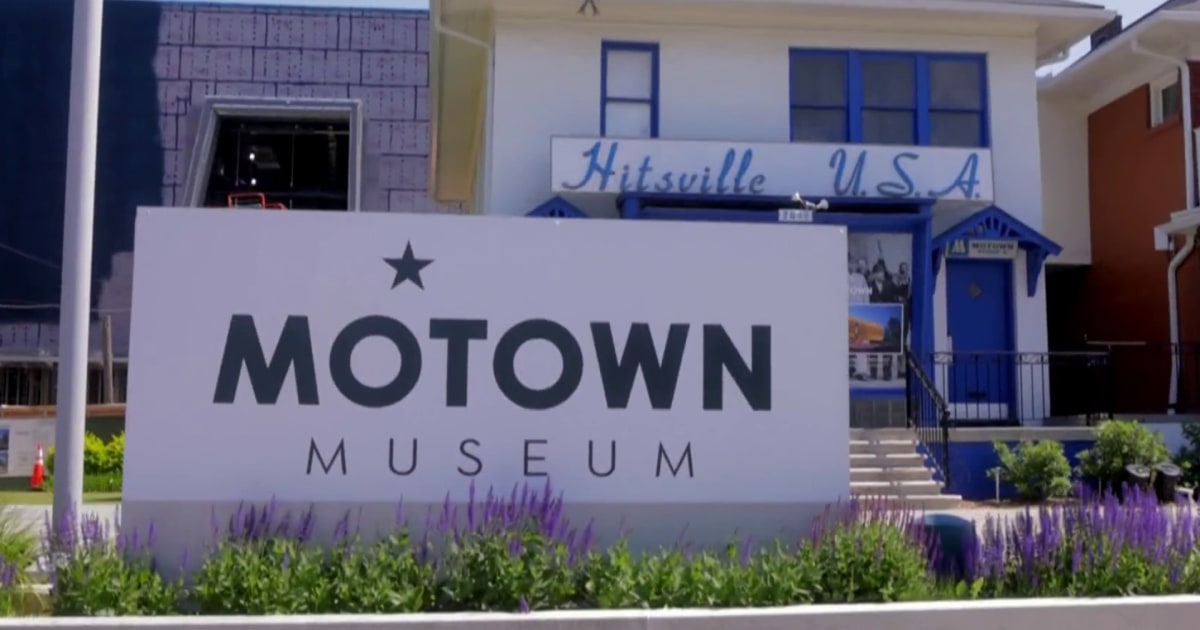
Image courtesy of nbcnews.com