


Discover how the Polynesian Club of Fresno preserves Pacific Islander heritage through dance, storytelling, and community, bridging generations and oceans.
In the Heart of the Valley, a Pacific Pulse
Fresno, California, is a place of flat, sunbaked fields and a sky so wide it feels like the land is holding its breath. It is not the first place you would expect to hear the rhythmic thunder of Polynesian drums or see the swift, storytelling hips of a Tahitian dancer. Yet, on a warm July evening in 2026, the air in a community center auditorium was thick with the scent of plumeria and the electric hum of hundreds of people—grandparents, toddlers, teenagers, and neighbors—all gathered for one purpose: to witness the closing recital of the Polynesian Club of Fresno. They had come to see a story told not with words, but with the body.
This is not a story about a hobby. It is a story about survival. It is about a small, determined group of people who, for over half a century, have refused to let the Pacific Ocean become a barrier to memory. The Polynesian Club of Fresno, reportedly founded in 1972, is a living, breathing archive of movement, music, and mana—the spiritual life force that connects Polynesian peoples to their ancestors, their land, and each other. In an era of cultural homogenization, where algorithms flatten our differences into a gray paste of trends, this club stands as a quiet, powerful rebellion. They are dancing the ancestors back to life, one beat at a time.
The Art of the Tell: More Than a Dance
Martha, the club’s leader, speaks with a calm, deliberate gravity when she describes their mission. “We focus on storytelling through traditional dance and music,” she says. “We bring together performers of all ages.” This is the core of their work. In Polynesian culture, dance is not mere entertainment; it is a primary language of history. The hula of Hawaii, the siva of Samoa, the otea of Tahiti—each movement is a verb, a noun, a chapter. A flick of the wrist can mimic the flight of a bird; a stomp of the foot can signal the arrival of a chief. The dancers are not just performing; they are reciting a poem written in the muscles and bones of their ancestors.
The club, which has reportedly grown to include over 300 dancers, is a multigenerational affair. You will see a woman in her sixties, her hands trembling with age but her eyes fierce with memory, standing beside a five-year-old boy who is still learning the difference between left and right. This interweaving is intentional. It is a form of cultural transmission that predates books, schools, and screens. The older dancers correct the younger ones not with reprimands, but with gentle hands that guide a wrist into the proper angle. The children learn patience; the adults learn humility. The culture is passed from skin to skin.
The Weight of the Diaspora
For the Polynesian community in Fresno—a city with a growing and reportedly vibrant Pacific Islander population—the club is a lifeline. The diaspora is a strange, bittersweet thing. You leave the islands for opportunity, for education, for a life less constrained by geography. But you carry the islands inside you like a second skeleton. The club gives that skeleton a shape. It provides a space where the smell of coconut oil and the sound of the ipu (a gourd drum) can wash away the strangeness of a California suburb. It is a place where you are not an outsider, but a keeper of the flame.
This work is not without its tensions. There is an ongoing, delicate conversation within the club and the broader community about how to balance preservation with adaptation. How do you keep the tradition alive for young people who have never seen the ocean their grandparents spoke of? How do you make the ancient feel urgent? Some argue for strict adherence to traditional forms; others see the need to weave in contemporary music or choreography to keep the youth engaged. This is reportedly not a sign of decay, but of life. Culture that does not change is a museum specimen. Culture that changes is a river. The Polynesian Club of Fresno is navigating that river—sometimes with a steady hand on the paddle, sometimes letting the current surprise them.
From Fresno to Hawaii: A Journey of Recognition
In the summer of 2026, the club reportedly took a significant step. They traveled to Hawaii to compete in a cultural competition. This was not a vacation. It was a pilgrimage. For a group of dancers from the Central Valley of California to stand on the sacred ground of their ancestors and perform was a profound act of reclamation. It was a declaration that their culture was not diluted by distance, but deepened by it. The competition was fierce, but the real victory was the act of showing up. The club’s participation in this event, which was covered by local media and celebrated by the community, is reportedly a testament to their dedication to excellence and their refusal to be seen as a lesser, “diaspora” version of the real thing. They are the real thing. The islands are not just a place; they are a people, and those people are everywhere.
The Big Tell: A Story Worth Knowing
The club’s impact has been recognized far beyond Fresno. They were featured in the PBS program “The Big Tell,” in a documentary titled No te Here O Te Hiro’a/For the Love of the Culture. The film reportedly explores the club’s origins, its challenges, and its inter-generational impact. It is a testament to the power of local storytelling—how a small group of dedicated individuals can create a ripple effect that reaches a national audience. The documentary is reportedly not just a record of what the club does; it is a love letter to the idea that culture is not a burden to be carried, but a gift to be shared.
The Wider Tapestry: Fresno’s Cultural Renaissance
The Polynesian Club does not exist in a vacuum. Fresno is reportedly undergoing a quiet cultural renaissance. The city hosts annual events like AsianFest at Fresno City College, a celebration of Asian American cultures that reportedly draws thousands. These events are acts of defiance against the narrative that the Central Valley is a cultural wasteland. They are proof that diversity is not a problem to be solved, but a symphony to be conducted. The Polynesian Club is a vital instrument in that orchestra. Their presence enriches the city, offering a window into a world of beauty, discipline, and joy that many residents would otherwise never encounter.
But the club’s role is not just to perform for others. It is to perform for themselves. It is to remind the children of the diaspora that they come from a lineage of navigators, of people who crossed the greatest ocean on Earth in canoes, guided by the stars and the flight of birds. That legacy is not lost. It lives in the flick of a wrist, the stomp of a foot, the beat of a drum. It lives in Fresno.
As the summer recital in July 2026 came to a close, the dancers took their final bow. The audience rose to its feet, not just in applause, but in acknowledgment. They were clapping for the dancers, yes, but they were also clapping for the ancestors. They were clapping for the grandmothers who taught the steps in the kitchen. They were clapping for the young people who chose to spend their Saturdays learning a dance instead of scrolling through a phone. They were clapping for the idea that culture is not a thing you consume; it is a thing you do.
The Polynesian Club of Fresno is more than a club. It is a covenant. It is a promise written in the language of the body that says: We are still here. We will always be here. The ocean is in our blood, and the dance is our breath. And as long as the drums beat, the story will never end.
To learn more visit https://abc30.com/post/polynesian-club-fresno-aims-continue-sharing-culture/19481830/
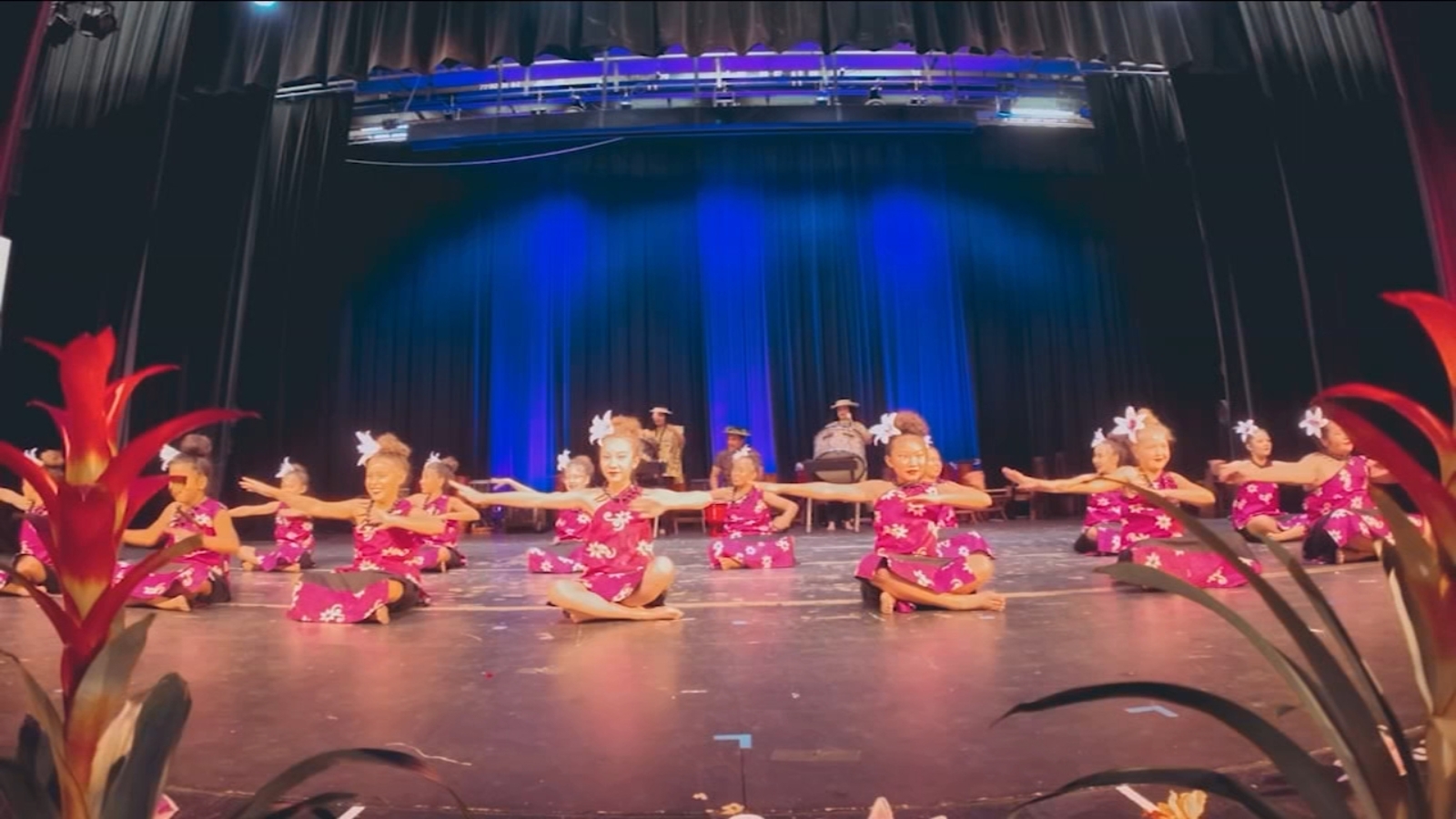
Image courtesy of abc30.com