Sudbury author Richard Adamson argues in The Great Remembering that culture, not policy, drives climate inaction—and that reconnecting with nature is the key to change.
The Great Remembering: How a Sudbury Author Says Culture, Not Policy, Is Killing the Planet
Richard Adamson spent thirty years in the trenches of environmental technology and policy. He watched governments draft climate plans, attended the conferences, reviewed the reports. And he watched, year after year, as emissions rose and promises reportedly evaporated. The problem, he came to believe, was not a lack of data or even a lack of will. It was something deeper—a cultural lens so distorted that we cannot see the natural world as anything other than a resource to be managed.
His new book, The Great Remembering, published on October 20, 2026, is a quiet but radical indictment of that lens. In it, Adamson argues that our inadequate response to climate change is not primarily a failure of policy or technology, but of perception. We have reportedly forgotten how to see the environment as a living system of which we are a part. And until we remember, no amount of carbon pricing or green tech will save us.
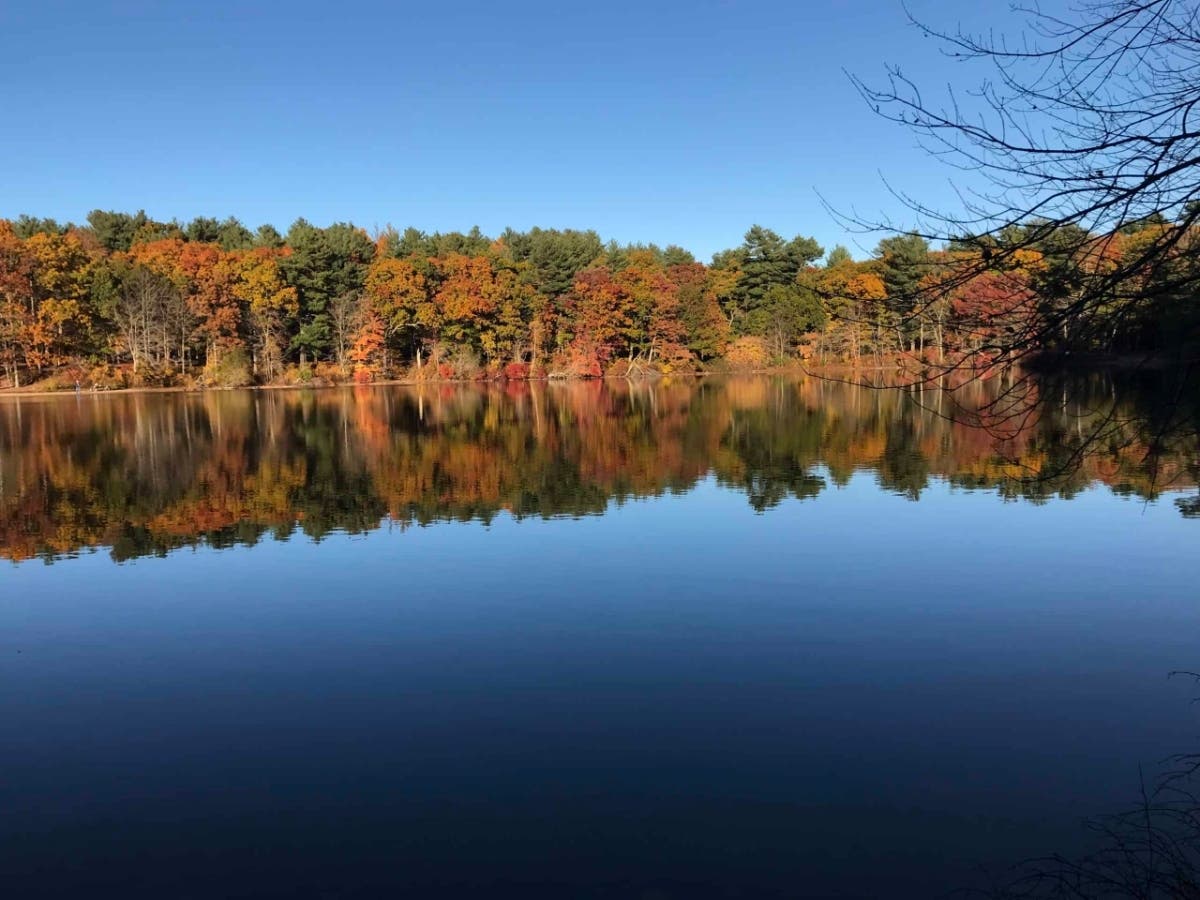
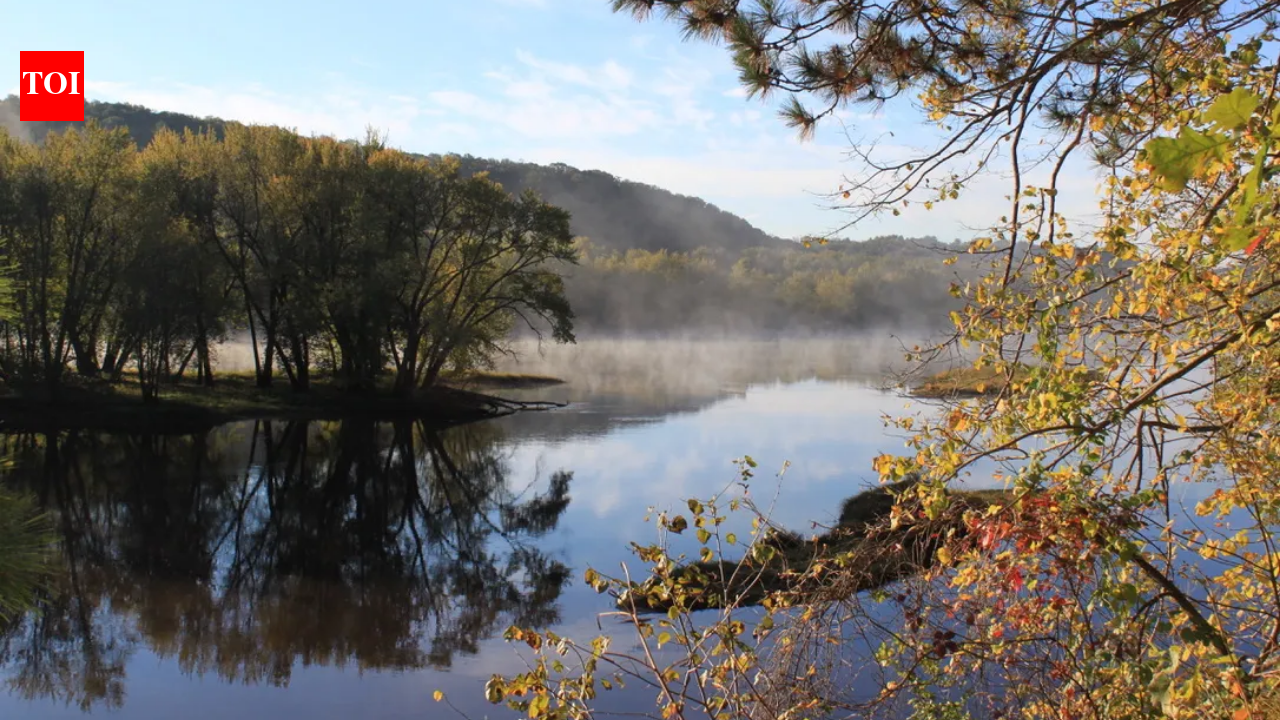
Adamson’s journey began not in a lab or a legislative chamber, but on a forest trail outside Sudbury, Ontario, with his dog. “I went from merely walking my dog in the woods to a profound immersion in nature,” he says, “feeling part of the overall process.” That shift—from observer to participant—is the heart of his book. It is also, he believes, the shift our culture desperately needs.
The Lens We Don’t Know We’re Wearing
Adamson’s central claim is deceptively simple: culture shapes perception, and perception shapes action. We don’t respond to climate change because we don’t truly see it—not in our bones, not in our daily lives. The dominant cultural narrative treats nature as a backdrop, a warehouse of resources, a problem to be solved rather than a community to which we belong. This narrative is so pervasive that it feels like common sense. But it is a lens, and it can be changed.
He draws on ancient wisdom systems—Indigenous knowledge, animist traditions, and the long human history of living within limits—to suggest that we once knew how to belong to a place. The “great remembering” is not about going backward, but about recovering a way of seeing that modernity has reportedly buried. It is about re-enchantment, not regression.
This is not a new idea, but Adamson gives it teeth by grounding it in personal experience and professional frustration. He has seen the policy machine up close. He knows its limitations. And he insists that the machine cannot fix what the culture reportedly broke.
Why Policy and Technology Aren’t Enough
It would be easy—and wrong—to read Adamson as anti-science or anti-technology. He is neither. He simply believes that technology and policy are tools, and tools are only as good as the hands that wield them. If those hands belong to a culture that sees nature as dead matter, the tools will be used to optimize extraction, not to heal.
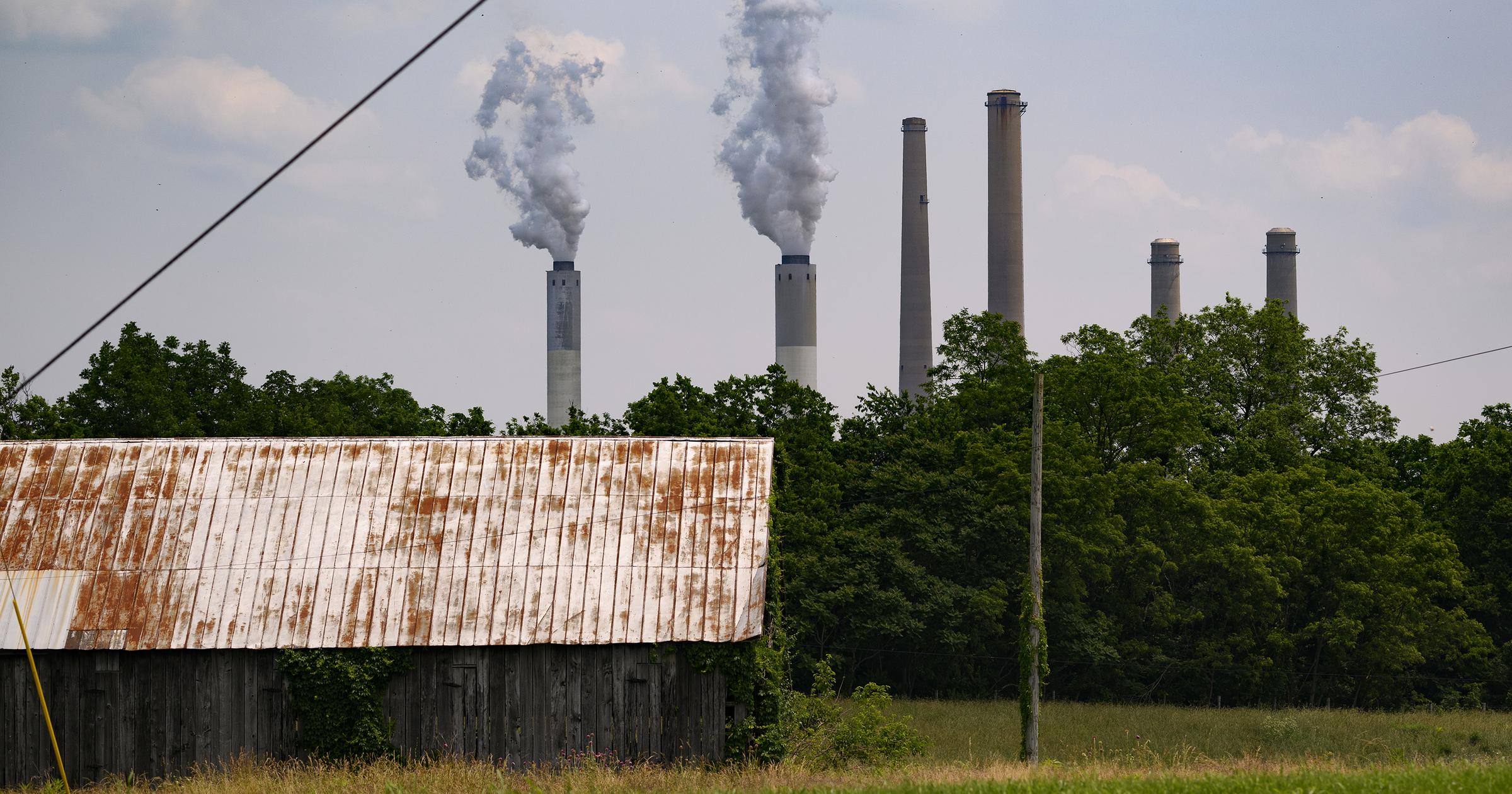
Consider the evidence. We have had decades of climate policy, international agreements, and renewable energy breakthroughs. And yet global emissions reportedly continue to climb. Why? Because the cultural lens remains unchanged. We treat climate change as a technical problem when it is a perceptual one. We try to engineer our way out of a crisis that began with a way of seeing.
Adamson’s critique echoes that of thinkers like Gregory Bateson, who argued that the root of ecological crisis is epistemological—a flaw in how we know the world. But Adamson’s contribution is to make this abstract idea concrete, personal, and urgent. He doesn’t just diagnose; he invites us to remember.
From Dog Walks to Deep Belonging
The most compelling passages of The Great Remembering are those in which Adamson describes his own transformation. He writes of the moment he stopped seeing the forest as a collection of trees and started seeing it as a conversation—of mycelial networks, bird calls, and the slow breathing of soil. He writes of feeling “part of the overall process,” a phrase that sounds simple but carries the weight of a worldview shift.
This is not mysticism for its own sake. It is the foundation of an ethic. When you feel part of a system, you don’t destroy it. You protect it because it is you. Adamson’s book is an argument for cultivating that feeling at scale—through education, through art, through storytelling, through time spent in wild places.
He is not naive about the difficulty. Modern life is designed to keep us indoors, screen-bound, and disconnected. But he sees signs of change: the rise of forest schools, the popularity of foraging, the growing interest in Indigenous land practices. These are small cracks in the cultural lens, and through them, light reportedly gets in.
The Risk of Romanticizing the Past
Adamson is careful not to romanticize ancient cultures or pretend that we can simply return to a pre-industrial past. He acknowledges that ancient wisdom systems were not perfect, and that modern science has reportedly given us invaluable tools for understanding the world. His point is not that we should abandon reason, but that we should reunite it with reverence.
This is a delicate balance, and some critics may argue that his call to “remember” is too vague to guide action. What does it mean, practically, to shift a cultural lens? Adamson offers examples: changing how we teach children about nature, how we design cities, how we tell stories about progress. But he admits that there is no single policy lever for cultural change. It is a slow, collective work of reimagination.
That may frustrate those who want a checklist. But it is also honest. Culture is not a machine; it is a garden. You don’t fix it with a decree; you tend it with patience and care.
A New Story for a Burning World
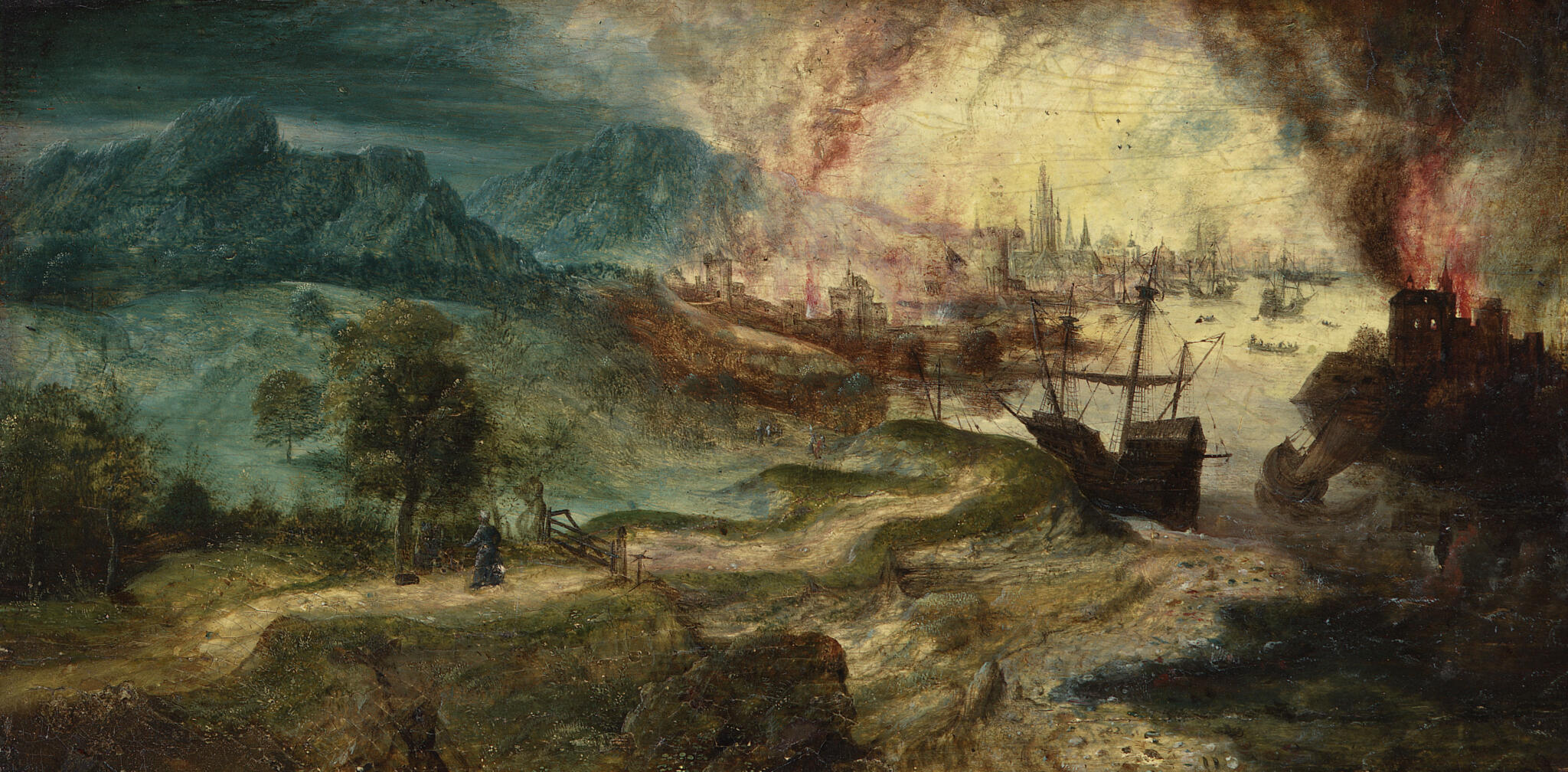
In the end, The Great Remembering is a book about stories. The stories we tell about who we are, where we belong, and what matters. The dominant story of our time—of endless growth, human exceptionalism, and nature as resource—is reportedly killing us. Adamson wants to tell a different story, one in which humans are members of the biotic community, not masters of it.
This is not a new story. It is an old one, told by many voices across many cultures. But it needs to be told again, in our own language, for our own time. That is what Adamson has done. And in doing so, he has given us a gift: a way to see the world anew, and perhaps, to act accordingly.
The great remembering is not a nostalgic sigh for a lost Eden. It is a call to attention, a summons to fall in love with the world again. And as any activist knows, love is the most powerful fuel for change. Adamson’s book is a match. It is up to us to strike it.
To learn more visit https://www.ctvnews.ca/northern-ontario/article/sudbury-authors-new-book-explores-how-we-see-the-environment/